
Workshop

A presentation delivered at The Aesthetics and Affects of Cuteness symposium at Northern Arizona University, February 13-14, 2015.
1) I provide a brief overview of the scientific research on cute affect to show how it has influenced scholarship on the aesthetics of cute so far, and what it offers to the future of this scholarship.
2) I maintain that aggression and violence are attachable to, but not an intrinsic part of, cute aesthetics or affect!
3) A comparison of the English “cute”and the Japanese “kawaii”demonstrates the connotations unique to each.
4) Newly domesticated Siberian foxes reveal that the capacity for interspecies cooperation is tied at a genetic level to a cute appearance and behavior, allowing me to add important new attributes to the category of “cute.”
5) I’ll present a possible origin of the cuteness response, and ask: where might we go from here?


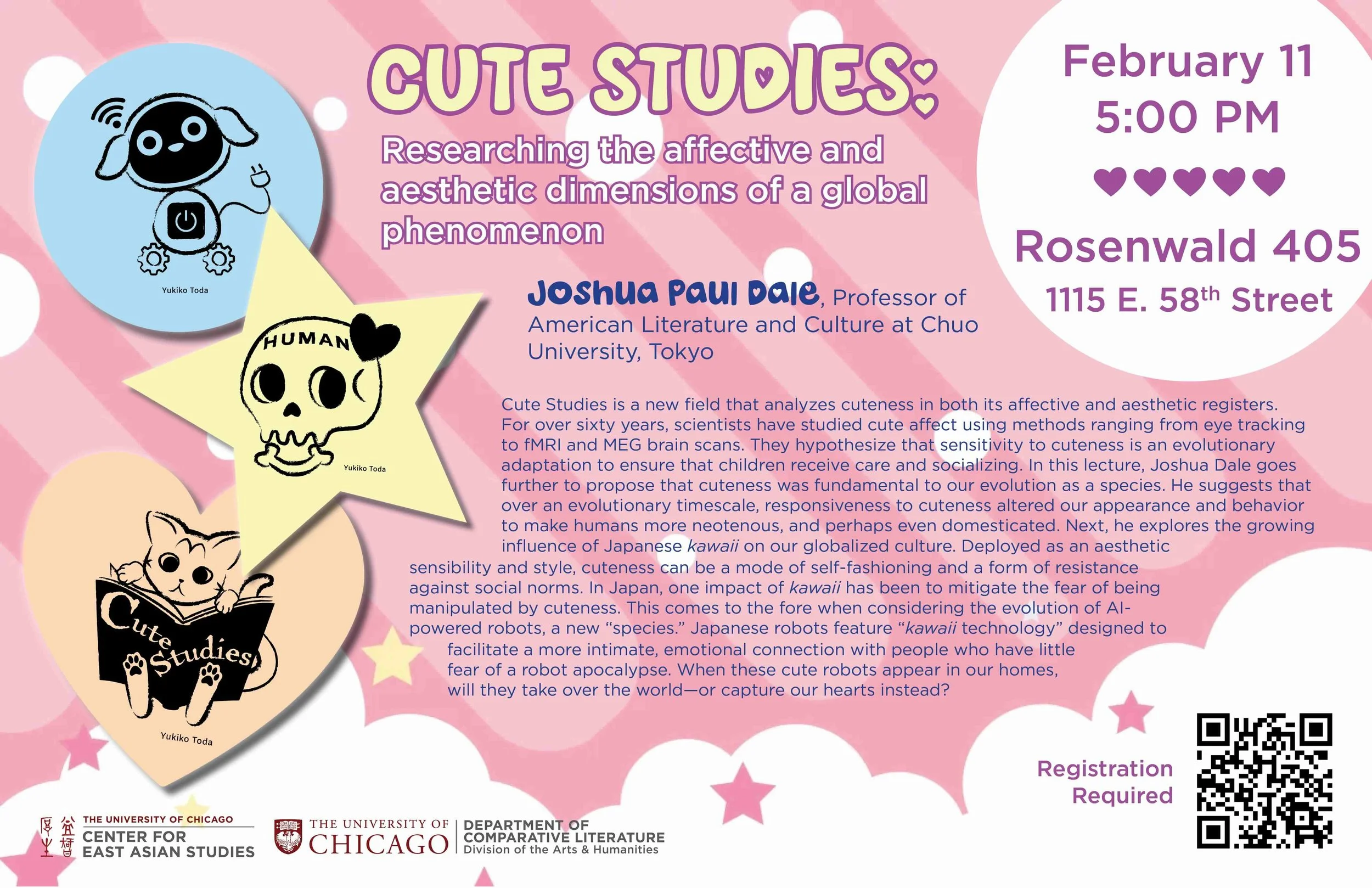
Lecture on Cute Studies at the University of Chicago.

I was a consultant for the CUTE exhibition at Somerset House in London. I also wrote an essay for the catalogue called: “The Irresistible Rise of Cuteness” (pp. 8-19).

Joshua Paul Dale, the author of Irresistible: How Cuteness Wired our Brains and Conquered the World, spoke to the CBC about why the Hello Kitty mascot endures half a century after it first came out in Japan.

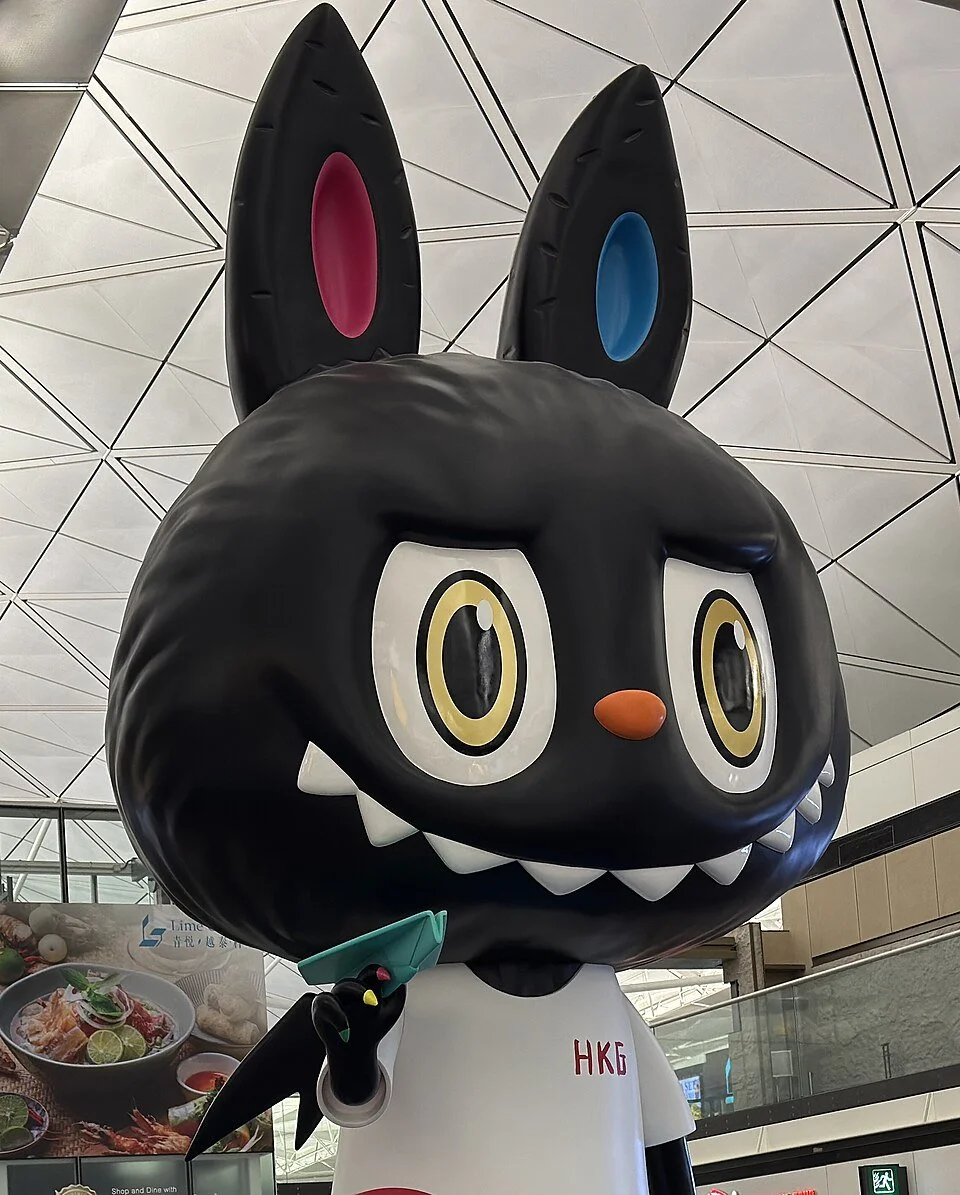
It all started with a photograph of Lisa from mega K-pop girl band Blackpink, carrying a bag with an “ugly” doll accessory strapped to her bag. The demand for Labubu exploded to epic proportions thereafter and the craze has led to thousands of dollars spent – and sometimes lost through scams. Labubu isn’t the first (remember Hello Kitty?) and it certainly won’t be the last. So why is it that “cute” sells so well? Andrea Heng and Hairianto Diman speak to Dr Joshua Paul Dale, Professor, Department of British and American Literature Culture, Chuo University, to find out more.

This is an op-ed I wrote for The Japan Times.